
Request Appointment
How Often Do You Really Need Dental Cleaning?
How Often Dental Cleanings Are Needed for Healthy Smiles
Even if you have an impeccable oral hygiene routine at home, your toothbrush and floss can only accomplish so much. Over time, stubborn plaque and tartar build up in hard-to-reach places, leaving your teeth and gums vulnerable to decay and disease. Visiting a Millersville, MD dentist regularly helps mitigate these risks and gives you a bright, healthy smile.
But how often should you get dental cleaning? Below, we’ll explain how various factors affect your cleaning frequency, the different types of cleaning available, and why staying on top of your dental schedule is essential to your overall health.
What Is Professional Dental Cleaning?
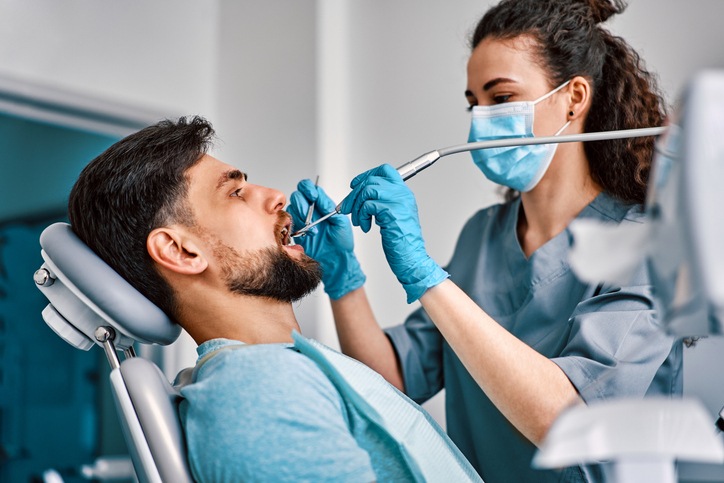
A professional teeth cleaning is a thorough preventative treatment performed by a skilled dental hygienist. While daily brushing and flossing are critical for removing loose food particles and soft plaque, professional cleaning targets the hardened deposits that you can’t remove on your own.
During your appointment, the hygienist uses specialized tools to gently scrape plaque and tartar from the surfaces of your teeth and beneath the gumline. Once the teeth are free of these harmful deposits, they’re polished with toothpaste to remove surface stains and create a smooth finish.
How Often Should You Get Dental Cleaning?
The conventional wisdom shared by most dentists is to schedule a cleaning every six months. But why is dental cleaning every six months necessary for everyone? This timeframe allows dental professionals to closely monitor your oral health and catch potential problems early.
For children, pediatric dentists also recommend a six-month interval. Kids often consume higher amounts of sugar and may lack the dexterity to brush properly. Regular visits help establish excellent habits early on and allow the dentist to track the development of their incoming teeth. Similarly, adults who maintain a healthy diet and practice good oral hygiene usually thrive on this standard schedule.
Factors That Affect Dental Cleaning Frequency
Your ideal dental cleaning frequency depends on a variety of personal factors. Dentists evaluate several elements of your life and health history to customize your care plan:
- Age and Development – Different stages of life bring different oral health challenges. Children need consistent monitoring to ensure their primary and permanent teeth erupt correctly. Seniors often experience reduced saliva production. Dry mouth accelerates tooth decay, meaning older adults frequently benefit from extra cleanings throughout the year.
- Lifestyle and Diet – Your lifestyle plays a critical role in the condition of your teeth. Diets heavy in sugary snacks and starchy carbohydrates feed the bacteria that cause plaque. Additionally, smoking and tobacco use severely impact gum health and cause heavy staining, making frequent hygienic interventions highly advisable.
- Existing Medical Conditions – Certain systemic health conditions directly impact your gums and teeth. Diabetes, for example, can lower your resistance to infection, increasing your likelihood of developing gum disease. Patients with chronic illnesses that cause dry mouth often need a more aggressive preventive schedule.
The Different Types of Dental Cleanings
Not all routine dental checkups involve the same procedures. Depending on the state of your oral health, your hygienist will perform one of several types of cleaning:
- Prophylaxis Cleaning – This is the standard; preventative cleaning designed for patients who have generally healthy mouths. It focuses on removing minor plaque and tartar buildup from the visible surfaces of the teeth and slightly below the gumline.
- Scaling and Root Planing– Scaling and root planing are necessary for patients exhibiting signs of gum disease. The hygienist cleans deeply beneath the gums to remove hardened tartar and smooths the roots of the teeth.
- Gross Debridement – A gross debridement involves the extensive removal of heavy plaque and tartar buildup. This heavy-duty cleaning is usually required before the dentist can accurately perform a comprehensive oral exam.
How Regular Dental Cleanings Help Prevent Bigger Problems
Skipping your dental visits might save a little time in the short term, but it almost always leads to larger, more expensive problems down the road. Unchecked tartar buildup leads to gingivitis, the earliest and most treatable stage of gum disease. If left untreated, gingivitis can progress to periodontitis. This severe infection damages the soft tissue and destroys the bone that supports your teeth, ultimately leading to tooth loss.
Additionally, regular cleanings help prevent cavities. By professionally removing the bacteria-laden plaque that secretes enamel-destroying acids, hygienists preserve the structural integrity of your teeth. Catching a tiny spot of decay early means you can fix it with a simple filling, rather than enduring a complex root canal or requiring a dental crown.
How to Maintain Results Between Cleanings
You can protect the results of your cleaning by committing to a rigorous daily routine. Brush your teeth at least twice a day using a fluoride toothpaste and a soft-bristle brush. Flossing is equally important, as it removes the hidden bacteria that rest firmly between your teeth.
Drinking water throughout the day helps wash away lingering food particles and keeps your mouth hydrated. Also, limit your intake of sugary sodas, sticky candies, and highly acidic foods, which can wear down your enamel.
Schedule Your Professional Cleaning Today
Taking care of your teeth requires a partnership between your at-home habits and professional dental care. If you can’t remember the last time you sat in a dentist’s chair, now is the best time to get started. Contact Millersville Family Dentistry today to schedule a cleaning and ensure your teeth remain strong, healthy, and bright.