
Request Appointment
Can You Get Invisalign If You Have Crowns, Bridges, or Veneers?
Straight teeth and a confident smile remain achievable for many patients who already have restorative dental work. Adults often ask whether clear aligners can work with crowns, bridges, or veneers, and the answer depends on careful planning and experience. We explain how Invisalign treatment can be coordinated with existing restorations and what factors influence success. Millersville Family Dentistry frequently helps patients explore Invisalign with crowns in Millersville, MD, while protecting prior dental investments. Topics include Invisalign with veneers, dental bridges, and dental restorations as part of broader smile goals or a full-mouth transformation. Each case receives a thorough evaluation to support safe, predictable results.
What Is Invisalign and How Does It Work?
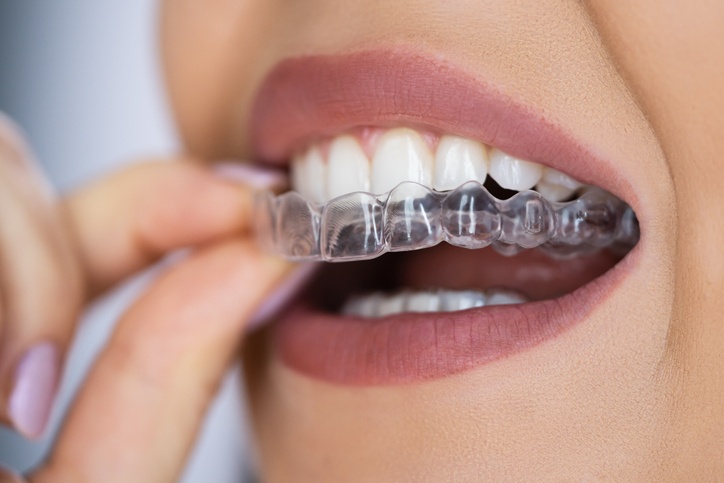
Invisalign is an orthodontic treatment that uses a series of clear, removable aligners to gradually straighten teeth. Each aligner applies gentle, controlled pressure to guide teeth into planned positions over time. Custom digital scans create a precise treatment map before the first aligner is worn. Patients switch to a new set of aligners every few weeks as teeth move. The aligners fit smoothly over natural teeth and many restorations, offering a discreet option for improving alignment, bite balance, and overall smile appearance.
Can You Get Invisalign With Crowns?
Many patients ask whether orthodontic treatment remains possible after restorative care. Invisalign with crowns is often an option when treatment planning accounts for crown placement, condition, and bonding surface. Cean aligners can move crowned teeth along with natural teeth when forces are carefully controlled. Each case requires a detailed evaluation to confirm stability and alignment goals. Crowns do not automatically prevent treatment, though adjustments to the plan may be needed. Thoughtful coordination helps protect restorations while improving bite balance and overall smile alignment safely and predictably.
Invisalign With Veneers – Is It Safe?
It’s not uncommon for patients to wonder if orthodontic treatment remains safe after cosmetic enhancements. Invisalign with veneers is often possible when a dentist carefully places the veneers and evaluates the material, placement, and bonding strength. Clear aligners can guide tooth movement using a gentle pressure design to protect existing structures. Each alignment must fit precisely to avoid stress on veneer surfaces. Thorough digital scans and monitoring help support predictable movement while preserving aesthetics. Treatment plans may adjust timing or attachment placement to safeguard veneers. With professional oversight, Invisalign can align teeth, improve bite balance, and maintain the appearance patients value from their cosmetic dentistry.
Can Invisalign Work With Dental Bridges?
Patients with fixed restorations often question whether aligners remain an option. Invisalign with dental bridges may work in select cases, depending on the bridge’s location, length, and the surrounding tooth support. Because bridges connect multiple teeth, they do not move independently like natural teeth. Aligners can still guide nearby teeth into improved positions when treatment goals focus on spacing, alignment, or bite balance around the bridge. A detailed evaluation ensures realistic expectations and protects the integrity of existing dental work.
Invisalign for Dental Restorations – What Dentists Evaluate
Before recommending Invisalign for dental restorations, dentists complete a careful clinical and digital evaluation. Tooth structure, restoration type, bonding strength, and overall stability all influence treatment decisions. Crowns, veneers, and bridges require a specific aligner design to ensure proper fit and controlled pressure. Bite alignment and spacing goals also guide planning. Digital scans allow precise mapping of tooth movement while protecting existing dental work. This detailed review helps create predictable results while maintaining the durability, appearance, and function of current restorations.
Will Invisalign Damage Crowns, Veneers, or Bridges?
Invisalign treatment uses controlled, gradual pressure that dentists plan around restorations. Careful scans, attachment placement, and aligner design help protect crowns, veneers, and bridges throughout treatment. When restorations remain stable and treatment goals stay realistic, aligners generally work without harming dental work. Ongoing monitoring ensures that teeth move as planned and that restorations maintain proper fit, function, and appearance throughout each phase of care.
What to Expect During an Invisalign Consultation
An Invisalign consultation begins with a comprehensive review of dental health and alignment goals. The dentist examines teeth, bite function, and existing restorations to confirm candidacy. Digital scans or impressions capture precise measurements for treatment planning. Clear explanations outline expected timelines, aligner wear, and movement stages. Patients review a customized plan that shows projected results before treatment starts. Questions about comfort, maintenance, and integration with crowns, veneers, or bridges receive detailed answers to support confident, informed decisions.
Are You a Good Candidate for Invisalign With Restorations?
Many patients with existing dental work qualify for Invisalign after a detailed evaluation. Good candidates typically have healthy gums, stable crowns, veneers, or bridges, and clear alignment goals that aligners can address safely. Dentists review bite balance, spacing needs, and the condition of restorations to confirm predictable movement. Mild to moderate alignment concerns often respond well to treatment. Digital imaging helps confirm the feasibility before aligners are made. When restorations remain secure and treatment stays well planned, Invisalign can deliver effective, comfortable results.
Take the Next Step Toward a Straighter Smile
Clear aligner treatment remains possible for many patients with existing dental work. Professional guidance helps protect restorations while improving alignment and bite balance. Invisalign with crowns, veneers, or dental bridges requires thoughtful planning, digital evaluation, and ongoing monitoring for predictable outcomes. Scheduling a consultation allows personalized recommendations and clear answers about timing, fit, and expectations. Contact our office today to discuss your goals, explore treatment options, and learn how Invisalign can help you achieve a confident smile without compromising your previous dental investments.